Showing posts with label israel technology. Show all posts

Israel relations with Nigeria


Israel has pledged to continue to show support to Nigeria and strengthen its bilateral relationship with Nigeria.
 Ambassador of Israel to Nigeria, made this known in an interview during the Israeli National Day celebration.

Existing relations between Nigeria and Israel in agriculture with hi-tech irrigation techniques. Now Israel have to share water management techniques to Nigeria

Israel have a great water management techniques they used 80 percentage of their waste water in purification process and used in irrigation work in desert.

They techniques are collaborated with Nigeria and improve better agricultural irrigation

Israel sent there hundreds of Israeli experts and volunteers to Nigeria  for  development of agriculture ,education,medicine and technology training.


ISRAEL: A LAND FLOWING WITH MILK AND HONEY

When people read where Moses described the land of Israel as a “land flowing with milk and honey,” (Deuteronomy 6:3) many have no idea how very real a description this is for Israel today. Israel has become one of the leading nations in the production of methods and technologies for agricultural advancement and environmental protection.
First of all, Israel is quite literally “flowing with milk,” having the most productive dairy cows in the world (Shamah, David, The Times of Israel, May 17, 2012)! Israeli scientists have discovered a way of using their knowledge of genetics to breed the most productive cows in the world. Israel has also exported this knowledge to many nations.

Top 10 Israeli inventions you should know about


1) Israel developed the PillCam – the first pill that can be swallowed to record images of the digestive tract. The capsule is the size and the same shape as a pill, and contains a tiny camera. This invention is used very widely and was an extremely significant development in the field of medicine.


2) Israel was the country to develop the USB flash drive. Used by nearly everyone I know, it surely is one of the most useful modern inventions. It allows you to store all your files in a compact way, making it easier to access and work away from your computer.


3) Waze was invented by Israel. This GPS- based travel app gives you turn- by- turn information and up to date traffic statistics. It is now in use in over 100 countries, making it a hugely popular app for motorists.


4) Israeli inventions in the consumer goods market continue to thrive, as seen by the invention of the epilator. The first one, Epilady, was originally manufactured by a Kibbutz in Israel in 1986, and has since sold more than 30 million units.


5) In 2008, Israeli company EWA developed the technology to produce drinking water out of thin air. A condenser absorbs the air’s humidity, holds it in silica based gel granules, then condenses it into water. Better still, 85% of energy used is pumped back into the system. Yoffy toffee!


6) Ok, not strictly an invention but an amazing use of technology. Israel really is ‘the land of milk and honey’ thanks to its ‘super cows’, which produce far milk than other countries. Israeli cows produce up to 10.5 tons a year – 10% more than North American cows and almost 50% more than Germany’s cows! A combination of air conditioning, constant monitoring and pedometers to tell when the animals are getting fidgety helps to keep the milk flowing, according to Bloomberg.


7) Israel invented modern drip irrigation in the early 1960s. Drip irrigation allows you to save water and fertiliser by allowing water to drip slowly to the roots of plants through a network of plastic pipes, which is highly useful in areas where water is scarce.


8) Israel has even made its mark on salads! Two Hebrew University professors worked with a genetics company to develop the beloved cherry tomato. Modifying a regular tomato into one that ripened slowly and stayed fresh in transportation, the Israelis created a tastier and sweeter fruit that is a favourite of many.
9) Israel developed the BabySense device, which helps prevents cot deaths by monitoring a baby’s breathing and movements through the mattress while they sleep. An auditory and visual alarm is activated if any irregularities occur during their sleep, which has helped parents prevent the horrors of cot death worldwide.
10) Lastly, and one of my favourite inventions by Israel is Viber. Available for download on any smart phone, the app allows you to make calls across the world for free, using Wifi. Its high speed connection and ability to keep in contact with anyone anywhere truly makes it one of Israel’s best inventions.

Israeli company launches Western Hemisphere’s largest desalination plant in California


Israeli water sector giant IDE Technologies dedicated the largest desalination plant in the Western Hemisphere on Monday – a facility that will produce some 190 million liters of water daily for the residents of southern California.
Providing a new source of water in a state that has long suffered severe droughts, the Claude “Bud” Lewis Carlsbad Desalination Plant will be quenching the thirst of roughly 10 percent of San Diego County, according to IDE. Employing advanced pretreatment and seawater reverse osmosis technologies, the plant is able to generate potable water of the highest quality while significantly reducing energy consumption, the company explained.
The desalination plant is the result of a 30-year water purchase agreement between the plant’s local developer and owner, Poseidon Water, and the San Diego County Water Authority, a joint statement said. The plant, which will be operated by IDE, has created some 2,500 jobs and generated about $350 million for the local economy, the statement added.
“Since the last major drought here a little over 20 years ago, the San Diego region has worked to conserve water as well as identify new water sources,” said California Assembly Speaker Toni Atkins.
“The Poseidon project not only provides San Diego County with a drought-proof water supply, it also demonstrates how California can meet the water needs of future generations.”
IDE Americas Inc. CEO Mark Lambert added that the project is “putting the ‘Pacific on tap’ for San Diego County, bolstering the region’s water reliability for decades to come.”
In addition to the Carlsbad facility, IDE is currently part of another 10 projects in the United States and operates hundreds of facilities around the world, as well as three of the four largest desalination plants in Israel, the Israeli firm said.

BONE TISSUE GROWN OUTSIDE THE BODY TRANSPLANTED INTO ARM

The success of this experimental treatment may lead humanity to a new era in which it will be possible to achieve full recovery in most cases.

For the first time in the world, live human bone tissue that was grown outside the body has been successfully transplanted into a person’s arm, thanks to a still-experimental procedure developed by an Israeli company.

Because of the importance of the announcement, the Tel Aviv Stock Exchange halted fixed trade in the company’s stock for 15 minutes; sales resumed at 10:05 a.m., when its price rose by 13%.

The transplant was carried out by injection at Afula’s Emek Medical Center, as part of a clinical trial of the BioGroup Bonus company.

Dr. Shai Mertzky, CEO of BioGroup Bonus, noted that “transplantation of human bone tissue into a patient who has suffered a major critical deficiency in the bone of his arm sets a new standard of hope for rapid healing in a wide variety of cases. This was the only solution for the patient when nothing else helped.

“The success of this experimental treatment may lead humanity to a new era in which it will be possible to achieve full recovery in most cases,” he said.

BioGroup is a Haifa-based biotech company specializing in tissue engineering and developing a unique technology for the implantation of human bone grafts for transplantation in humans.

The live implant of human bone was produced in the company’s production laboratory in Haifa, under sterile and controlled conditions. It simulated the conditions required for bone production in the human body within two weeks after a fat tissue sample was taken from the patient.

The first patient is an Israeli man in his 40s who, as a result of a serious car accident several years ago, suffered significant bone loss in his arm. Before this transplant, the patient had undergone several operations in which the missing bone could not be replaced, and the possibility of cutting off part of his forearm had been considered.


Israeli institute trains Palestinian avocado growers-Irrigation technology of Israel


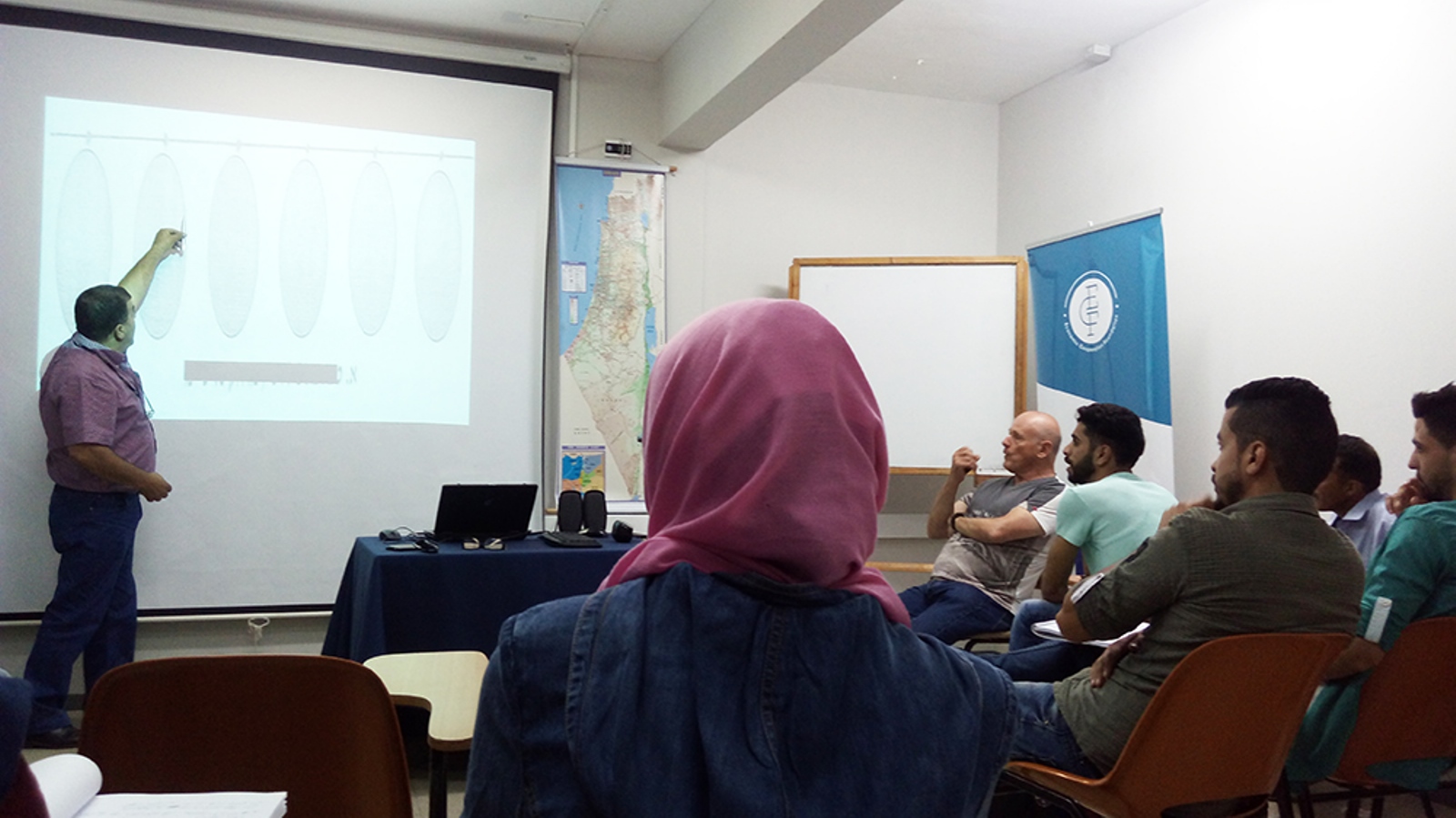
And yet, far from the headlines, cooperation across these populations was thriving at the Galilee International Management Institute (GIMI) in Nahalal, a city in northern Israel.
During July alone, GIMI gave a training course to Jordanian, Palestinian and Israeli olive-oil producers, taught farmers from Palestinian Authority territories to grow avocados for export, and began planning a tele-course for Gazan computer engineers meant to lead to remote employment at Israeli companies.
“This is nothing new for us,” says GIMI President Joseph “Yossie” Shevel. “We’ve been cooperating with the Palestinians for the last 30 years.”
Established in 1987, GIMI develops and presents advanced capacity-building courses for professional personnel from all over the world – from more than 170 countries so far — taught in a wide variety of languages. But local and regional needs are never far from GIMI’s radar.
The avocado-growing course came out of GIMI’s awareness that the healthful avocado is in great demand in Europe and that Israelis could help Palestinian farmers join them in offering a quality product for this “green gold” market.
“We thought we should encourage Palestinians to grow avocados based on the excellent Israeli experience. We know there is a problem of exporting agricultural goods from the West Bank to Europe and we hope to help find a way,” Shevel tells ISRAEL21c.

The GIMI course for Palestinian avocado growers was partially funded by the Israeli Foreign Ministry.
Israel avocado exports to Europe have grown to roughly 100,000 tons in recent years, comprising about a third of the winter avocado market in EU countries.
GIMI organized a training course designed for Palestinian agricultural extension officers who will then share their newfound knowledge with farmers. Funding was provided by the Israeli Ministry of Foreign Affairs and the European Union through the agency of Economic Cooperation Foundation, a Tel Aviv-based nonprofit think tank founded in 1990 to build, maintain and support Israeli-Palestinian and Israeli-Arab cooperation.
“We have many alumni in the West Bank so once we announced the program they helped us spread the word, and 28 people registered,” says Shevel. About 40 percent of the registrants were female, and some already grow avocados for export to Arab countries.
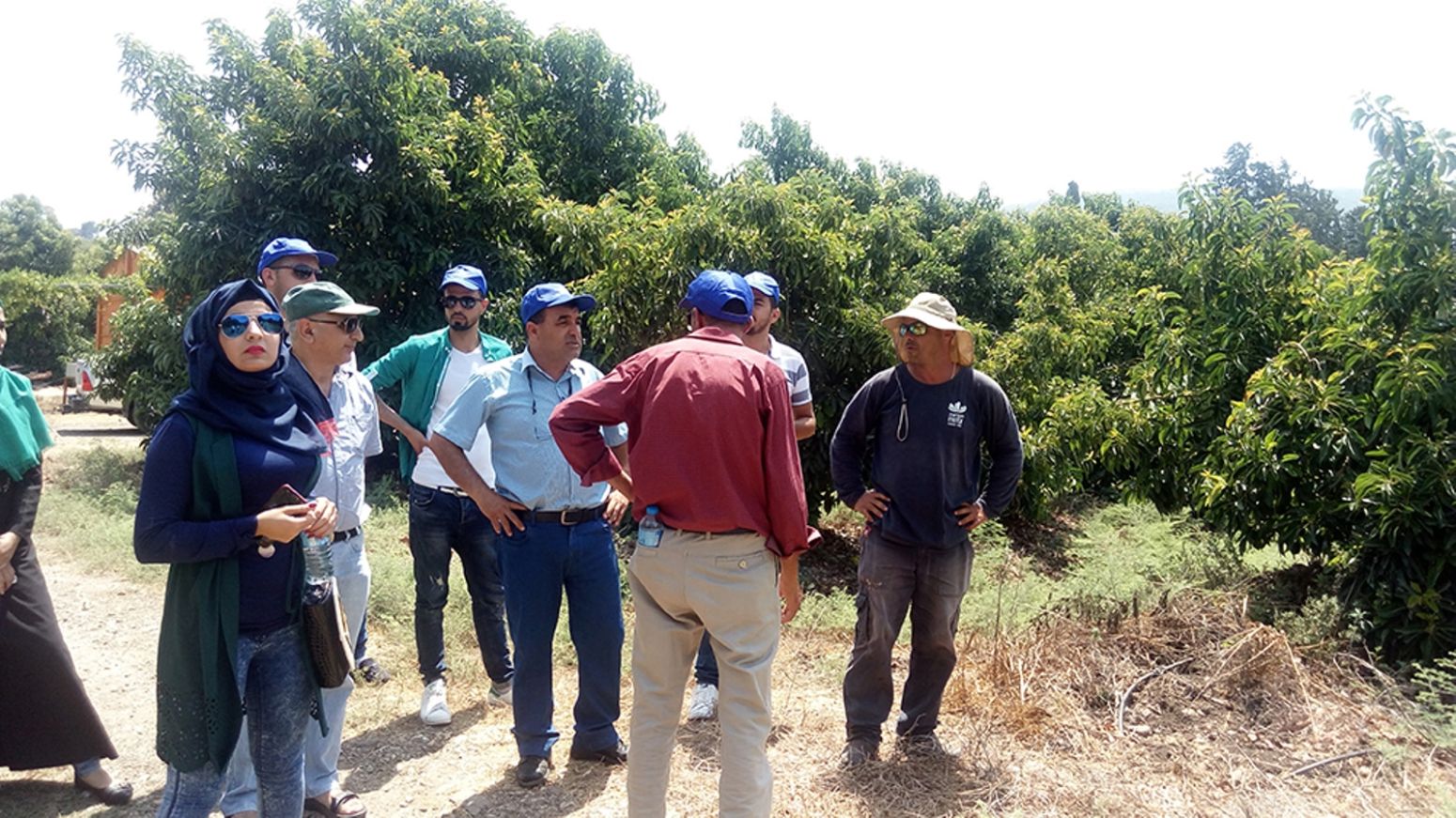
The two-week course began with online classes taught mainly by Arab-Israeli GIMI faculty members and ended with two days of in-person classes and field trips to Israeli avocado farms in the north at the end of July.

Students in the GIMI course for Palestinian avocado growers touring the fields.
Unfortunately, politics got in the way of 20 of the participants making their way to Israel for the final two days because the Palestinian Authority had halted cooperation with the Israeli government over the issue of security on the Temple Mount.
“They had permits and everything was ready,” says Shevel. “We hope to find funding for them to come and complete the course later on. Usually we manage to overcome politics.”
The eight agronomists and agricultural engineers who did manage to make it came from Hebron, Kalkilya, Tibas and Jenin, and “were received very nicely by the Israeli farmers,” Shevel says.
The course did not end with the formal sessions, he adds. “Now we’ll follow up and help them to plant avocados and work with them, especially when the crops are ready, to export to Europe.”
Breakthrough program
Shevel also is looking forward to what he calls a “breakthrough” program intended to ease the unemployment situation in the Gaza strip, which is contiguous with Israel but ruled by Hamas and therefore few people can cross the border in either direction.
Scheduled to begin in October after the Jewish high holidays, this course will train Gazan computer engineers online to qualify for jobs in Israel via remote connection.
“With globalization you can hire an engineer anywhere, so why not in Gaza, to improve their lives?” Shevel says. “At the end of the program we’ll look for Israeli high-tech companies to employ them. Already one large company made a commitment to do so, and we have two sources ready to fund the program.”
How is GIMI publicizing the course in Gaza? “We have a graduate in Gaza who studied here about 10 years ago and is in close contact with us and wants to coordinate this program for us,” says Shevel.
Perhaps surprisingly, he reveals that his efforts to reach out also have been helped by a close personal friend who is the former president of Al Aqsa University in Gaza.

ISRAEL TURNING GARBAGE DUMP INTO ENERGY RESOURCE

Officials launched a refuse derived fuel (RDF) plant at the Hiriya Recycling Park – a waste sorting and recycling plant that sits at the foot of the region's towering former garbage dump.


Transformed in recent years into a blossoming oasis, the former eyesore of the Gush Dan region is now not only hosting hikers on its lush green paths, but is also generating usable energy.

This week, officials launched a refuse derived fuel (RDF) plant at the Hiriya Recycling Park – a waste sorting and recycling plant that sits at the foot of the region's towering former garbage dump. The largest such project to date in Israel, the facility will be producing alternative fuel to provide a source of energy for cement production at the nearby Nesher plant. 

The RDF plant is an innovative, flexible and modular plant, which serves as successful model for a collaboration between industry that needs raw materials for energy and an urban sector that needs a solution to the waste problem and a technological body that is ready to take a risk despite the challenge," Doron Sapir, chairman of the Hiriya Recycling Park, said on Sunday. 


(The RDF plant)

The NIS 400 million RDF plant will be absorbing about 1,500 tons of household waste every day, or approximately half the garbage from the residents of the Gush Dan region – amounting to a total of half a million tons of trash each year, according to the project. Behind the facility's launch was a team of partners, including the Hiriya Recycling Park, the Dan Municipal Sanitation Association, Nesher Israel Cement Enterprises and the Veridis environmental service corporation. 

"The RDF plant is one of the most advanced and largest in the world – spearheading a steadfast and diligent effort of the Dan Municipal Sanitation Association to improve and advance waste management in Israel, and in the Dan Region in particular," Sapir said. "I believe that the combination of resources, technologies and the public's willingness to change consumption and recycling habits is key to a sustainable future and the preservation of environmental resources." 


Using industrial and municipal waste as a combustion material, RDF has become recognized globally as an environmentally friendly fuel source and is commonly used to power the cement industry, a statement from the partners said. The household waste is sorted using advanced technological methods, and those materials appropriate for burning – such as plastic bags, other plastics, textiles, tree trimmings, cardboard and paper – are used as an alternative fuel source at the Nesher plant, the statement explained. 

The new RDF facility is expected to produce about 500 tons of RDF fuel substitute daily, serving as a combustion material that will provide 20% of the thermal energy necessary to operate the Nesher factory, the partners added. 


(The RDF facility) 
"The cement industry requires long-term vision. Heavy industry is often perceived as a polluter, despite the huge investment in the environment and the use of advanced technologies," said Moshe Kaplinsky, CEO of Nesher Israel Cement Enterprises. "The RDF project aligns Israel with the most technologically advanced [countries] in Europe, while reducing the environmental impacts of households in Israel and reducing energy consumption from traditional sources. This is another step toward realizing the vision of an advanced Israeli industry that views environmental protection as an ultimate value."

Israeli system id’s the gene mutations driving your cancer


NovellusDx analyzes each patient’s genome sequence to deliver actionable intelligence to oncologists, helping them choose the right cancer therapy.


Inside the NovellusDx lab in the Jerusalem Bio-Park, a team of 35 biologists, engineers, mathematicians and physicians recreates the genetic maps of real human individuals with cancer.

It’s not a research project but a personalized medical tool.
The NovellusDx team analyzes the cancer-driving mutations in each patient’s DNA to deliver actionable intelligence to oncologists, helping them choose the right cancer therapy for each and every one.
NovellusDx CEO Haim Gil-Ad explains that although genomic sequencing already is starting to be performed for cancer patients and is likely to become standard, sequencing can reveal tens or even hundreds of mutations but cannot annotate the exact eight to 12 driver mutations that are actually enabling the tumor to grow.
The Israeli company is filling this gap in knowledge.
“Every patient is different,” Gil-Ad tells ISRAEL21c. “Two 35-year-old women with breast cancer, living in the same place and having similar physical features, will have totally different oncogenic maps.”
NovellusDx uses genomic data sent to its lab by email – no actual patient samples are needed – to recreate the individual’s genetic map on a unique biochip.
The company’s proprietary technology measures the activity of signaling pathways to assess the oncogenic action of known and unknown mutations and their response to cancer drugs. It also provides a hierarchy of driver mutations and mutation “cross-talk.”
Projects with major cancer centers
Founded in 2011 and in operation since May 2012, NovellusDx is working with oncologists in about 20 prominent cancer medical centers, mainly in the United States, including MD Anderson in Texas, Memorial Sloan-Kettering in New York and Massachusetts General.
“If the oncologist has a dilemma of which mutation to target first, NovellusDx can find the right target and you can try different types of drugs on a single mutation to see which gives the best results,” says Dr. Nir Peled, medical adviser for NovellusDx and head of the Thoracic Cancer Unit and the Center for Precision Cancer Care at the Davidoff Cancer Center of Rabin Medical Center in Petah Tikva.
“The platform annotates known and unknown mutations, prioritizes between different genes and classifies the effect of different drugs for the same target. I’m not aware of any other specific platform with the ability to do this in one place in a certified lab within a week,” says Peled, who also heads the Thoracic Oncology Assembly of the European Respiratory Society.
“I am using the platform under a clinical study, and it may support some decisions,” he tells ISRAEL21c.

Sample web page that is part of a dynamic physician report of his patient’s oncogenic map. Image courtesy of NovellusDx
The company also has several projects ongoing with diagnostics and biopharma companies. The NovellusDx solution helps them identify expanded subgroups of cancer patients who are likely to respond to existing therapies, stratify patients to enable more focused and efficient trials and isolate new mutations to target.
“We have also established an exciting collaboration with the Institute Curie’s SHIVA trial, where we demonstrated our ability to clinically predict response,” says Gil-Ad, referring to the French research institute’s groundbreaking personalized medicine project to genetically map hundreds of patients’ malignant tumors.
A paper on this collaboration is soon to be published in a scientific journal.
Scaling up
In its current facility on the campus of Hadassah Ein-Kerem Medical Center, NovellusDx can perform 6,000 tests per year, each taking less than two weeks.
The company is starting a new financing round to boost its commercialization and build facilities in the United States, Europe and Asia. Its previous $16.5 million funding round in 2015 was led by OrbiMed, Pontifax, Intercure and several institutional investors.
“Our major issue now is scaling up,” says Gil-Ad, who retired from the Ministry of Defense 12 years ago.
Gil-Ad tells ISRAEL21c that his defense background was unexpectedly relevant to his current work.
“Both the life-sciences and defense industries demand a ‘system of systems’ approach and are highly regulated, which gives some advantages over competitors. And in both areas you save lives,” he points out.
The scientist who had the idea behind NovellusDx’s core technology first approached Gil-Ad because he thought it would be useful for the air force.
Instead, Gil-Ad saw a more global potential. “I saw there was an unmet need in cancer and I built the company around the technology


ISRAELI START-UP EXTRACTING WATER FROM AIR, AROUND THE WORLD


From the remote corners of India to the palm-lined streets of Miami-Dade County, one Israeli company is aiming to do the unthinkable – extract safe, inexpensive potable water from the air we breathe.

Water Gen made headlines at the AIPA C Policy Conference in Washington two weeks ago, when Prof. Alan Dershowitz presented the company’s GENius device, generating water out of thin air on stage.

Just days earlier, the company had signed a memorandum of understanding to install its technology in Vietnam’s capital city, while days later, the firm inked another memorandum with India’s Vikram Solar Pvt. Ltd., to deploy solar powered Water Gen units in remote parts of the subcontinent.


“All these countries that have the water shortages have a humid and hot climate,” Pasik told the Post. “We take all the humidity from the air and extract the water.”

The memorandum of understanding signed with the Hanoi Department of Construction calls for the construction of a Water Gen factory, to produce industrial-scale water generators for the municipality, with a total capacity of up to 10,000 liters of water per day, Vietnamese news sites reported.

“Our solution is 20 times cheaper than the solution for drinking water that they have,” Pasik said. “[And] what they drink is not healthy.”

In India, the memorandum inked between Water Gen and Vikram Solar enables the latter to manufacture and distribute the Israeli company’s products, incorporating solar power to fuel the water generation process in remote locations.

Yet Water Gen’s reach is by no means limited to the developing world. The products have recently generated interested in several Gulf countries, in Egypt, in Mexico and across the United States, Pasik said. In the US, Water Gen is operating a pilot study in Miami-Dade County and is in talks with various entities in California, Chicago and Michigan, he added.

While most of these places do have access to clean water, many are beginning to experience strain on their aging pipes, requiring shipments of bottled water to residential neighborhoods, Pasik explained.

“We can solve this problem,” he said. “They can put our home devices inside people’s houses and they will have water.”

Water Gen’s technology aims to provide clean, drinkable water to consumers regardless of the infrastructure leading to their homes, according to Pasik.

“This is really the next source of water,” he said. “Desalination plants are good when you have good pipes. If you have bad pipes it doesn’t matter how much good water you put in the pipes.”

The GENius technology works on-demand by trapping the humid air inside the device, then cleaning and drying the air and extracting the now clean water, Pasik said.

Because the heat exchanger is made from plastic rather than aluminum, as has been typical in other such mechanisms to extract water from air, the system is much more affordable, he said. Generating 1 gallon (3.785 liters) of water requires only 1 kilowatt of energy, he added.

The system is available as a large-scale industrial water generator, a medium-scale model and the “GENNY” home appliance for household use.

Pasik said seeing his company’s technology generate a potable resource around the globe is critical, as “water is the next oil for the world.” About 1.7 million children under the age of five die every year due to water scarcity issues, he said.

“There’s nothing more important in the world than water,” he said. “People cannot live without water.”

Pasik said that in the future, technologies like Water Gen’s devices will have the capacity to prevent wars and foster peace, in regions where people are fighting for access to clean water.

“It’s very important that this kind of solution comes from Israel,” he said. “This is kiddush Hashem [sanctification of God’s name] and tikkun olam [repairing the world].”


As an investor in sustainable technology solutions, Pasik also serves as executive chairman at a variety of other Israeli and international companies, including the Ramot Hashavim-based Vertical Field and partner Green Wall Israel, which focus on building natural gardens on vertical surfaces.

“The biggest problem in the world is drinking water and the second is pollution,” he said, “We don’t have a place in the city to put trees.”

A 1,000-meter vertical field is equivalent to 50 trees, each 15 meters tall, which would take many years to grow, Pasik explained. Today, Green Wall is carry out several municipal pilots around the world, in Israel, India, China, the US, Mexico and Europe, he said.

While Vertical Field and Green Wall can provide critical solutions to dense urban communities plagued by air pollution, Pasik stressed that solving the world’s water scarcity problem is still his top priority.

“Two-thirds of the world has drinking-water problems,” Pasik said. “This is a humanitarian issue. We would like to maintain peace between people and save people’s lives. The project itself is priceless and is huge.”

Israeli researchers uncover a survival mechanism in cancer cells

An international study led by scientists from the Crick Institute in London and the Hebrew University of Jerusalem revealed a survival mechanism in cancer cells that allows the disease to erupt again even after aggressive treatment. In a paper published in Science, the researchers describe the mechanism by which cancer tumor cells become cancer stem cells that can sustain long-term growth.
When cancer develops, the generated cells are not uniform in their biological properties and contribute differently to tumor development. Only a small portion of cancer cells can form new tumors or metastases, and these are called "cancer stem cells." This disparity between tumor cells poses major challenges in understanding the nature of the tumor, its sensitivity to drugs, and planning an effective treatment that will eliminate all tumor cells.
"Many chemotherapy drugs leave a small amount of cancer stem cells that cause a renewed outbreak of the disease after a few years. It is therefore important to identify cancer stem cells in tumors and characterize the differences between the different tumor cells as the basis for detecting weak spots in the course of the development of the disease," explained Prof. Eran Meshorer, head of the Laboratory for stem cells and epigenetics in the Institute of Life Sciences and a member of the Edmond and Lily Safra Center for Brain Sciences (ELSC) of The Hebrew University of Jerusalem.
Cancer stem cells are not limited to the tumor itself and they are able to engage again in healthy environment and stimulate the disease. To study the characteristics of those unique cells, Prof. Meshorer and doctoral student Alva Biran from the Hebrew University teamed up with Dr. Paula Scaffidi and Christina Morales Torres from The Crick Institute in London. The international research team also included Dr. Ayelet Hashahar Cohen of the Hebrew University, Dr. Rotem Ben-Hamo and Professor Sol Efroni from Bar-Ilan University, and Dr. Tom Misteli from the National Cancer Institute, NIH.
The research team found that in a number of cancer types, those cancer stem cells lose one of their DNA packaging proteins – H1.0. By binding to DNA, H1.0 silences the expression of the genes it binds to.
"We found that the disappearance of H1.0 is crucial for the cancer cells to remain immortal. To understand the mechanism of action, we mapped its interaction with DNA and found that it binds to the genes’ regulatory regions. When H1.0 levels go down, the genes to which it binds can be activated. These genes, it turns out, are the ones which provide the cancer cell with its immortal potential," explained Prof. Meshorer.
The study is based on epigenetics – a scientific field that investigates gene expression in DNA by switching genes on and off. In order to identify the cancer stem cells from other cells in the tumor, the research team studied epigenetic mechanisms that distinguish between the least-sorted cells, with endless division properties and a potential to create growth, and the more sorted cells which lack this ability.
The results showed an inverse relation between H1.0 and the division of cancer cells: "As the H1.0 levels fall, the greater the potential of uncontrolled division of cells. In contrast, high levels of the protein prevent this process. We found that the disappearance of protein H1.0 is characteristic of cancer stem cells and it is necessary to maintain the ability of partition and the potential for growth creation."

The discovery could open the door for medical intervention in cancer stem cells aimed at the restoration of high levels of H1.0 in all cancer cells. While further research is needed to understand the effectiveness of H1.0 protein in preventing the spread of cancer growth, this research advances significantly the study of the mechanisms of cancer stem cells and the relatively new epigenetic approach to cancer research.


Teaching the world how to make the desert bloom- Israel Technology


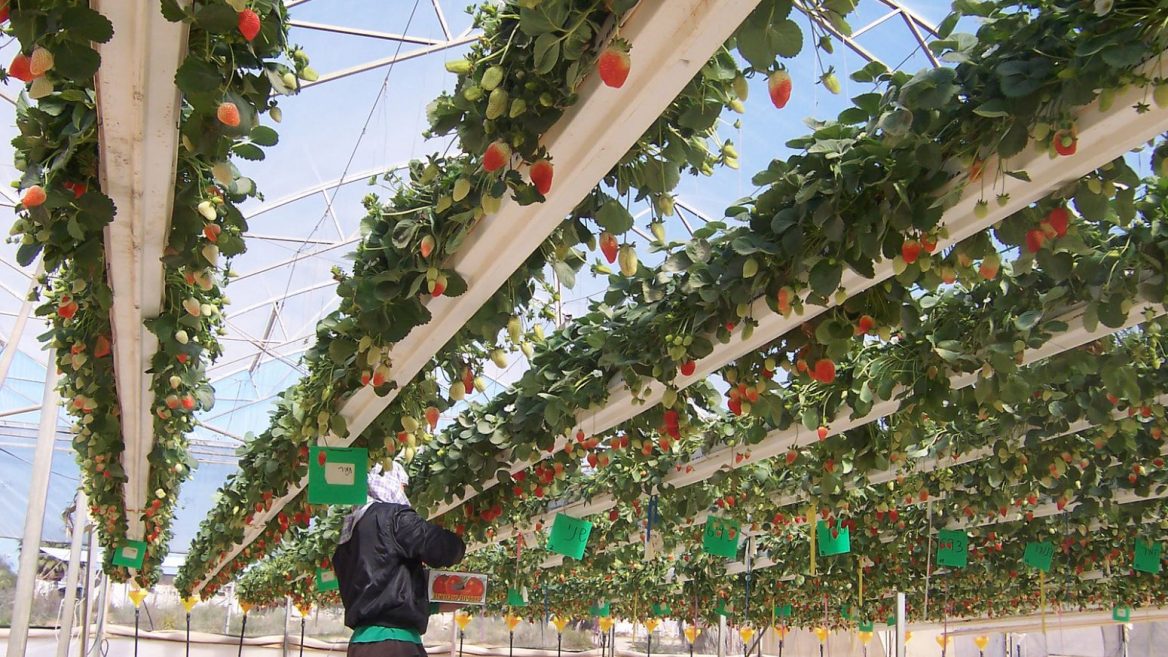
At the Ramat Negev Agro-Research Center, acacia trees bloom, casting long shadows by the greenhouses, and fat pumpkins ripen on the ground. Everywhere you look, jewel-like cherry tomatoes dangle above the sand, on vines strung to wires, carefully irrigated and nourished
While tiny tomatoes have been around for centuries, certain varieties of cherry tomatoes – including the popular tomaccio – were developed in Israel back in the 1970s. Here they grow in abundance, as do sweet peppers of all colors – yellow, green, red, chocolaty-brown, and purple.
The Ramat Negev Regional Council oversees this center, and agricultural experiments are conducted by onsite researchers as well as by scientists from Ben-Gurion University, the agriculture faculty of the Hebrew University, the Volcani Center, and elsewhere, in consultation with the Israeli Extension Service. It is a hotbed of innovation and discovery.
“People come here from all over the world to study how we grow things in the desert and how to fight against the desert’s continuing conquest of their land,” Gadi Grinblat explains.
It was here that scientists determined the importance, when irrigating with brackish water, of directing the water underneath the plant, so that it goes directly to the roots and doesn’t touch the upper parts. Otherwise, the salt in the water will harm the plants’ sensitive green leaves.
Like most Israeli agricultural endeavors, the Agro-Research Center makes use of the drip-irrigation system, which was developed by the country’s Netafim company – the headquarters of which are also located in the Negev, at Kibbutz Hatzerim.
Like the Blaustein Institutes for Desert Research, the Ramat Negev Agro-Research Center is happy to spread the word about its findings with the rest of the world.
Israel’s MASHAV (Agency for International Development Cooperation) helps to make that happen through its agricultural/outreach arm, CINADCO (Center for International Agricultural Development Cooperation), and with the scientific research capabilities of the Volcani Center.
Israeli agro-scientists are regularly sent out to demonstrate their findings, in Africa, Asia, Latin America, Central Europe, and the Middle East – and farmers and scientists from abroad are brought into Israel to study and share their knowledge as well.
Not surprisingly, the focus is on Israel’s areas of expertise: growing food in semi-arid and arid zones, combating “desertification,” irrigation and water management, dairy farming, and strategies for the small farmer. The goals are vast and vital: to ensure food security and economic self-sufficiency.